
English
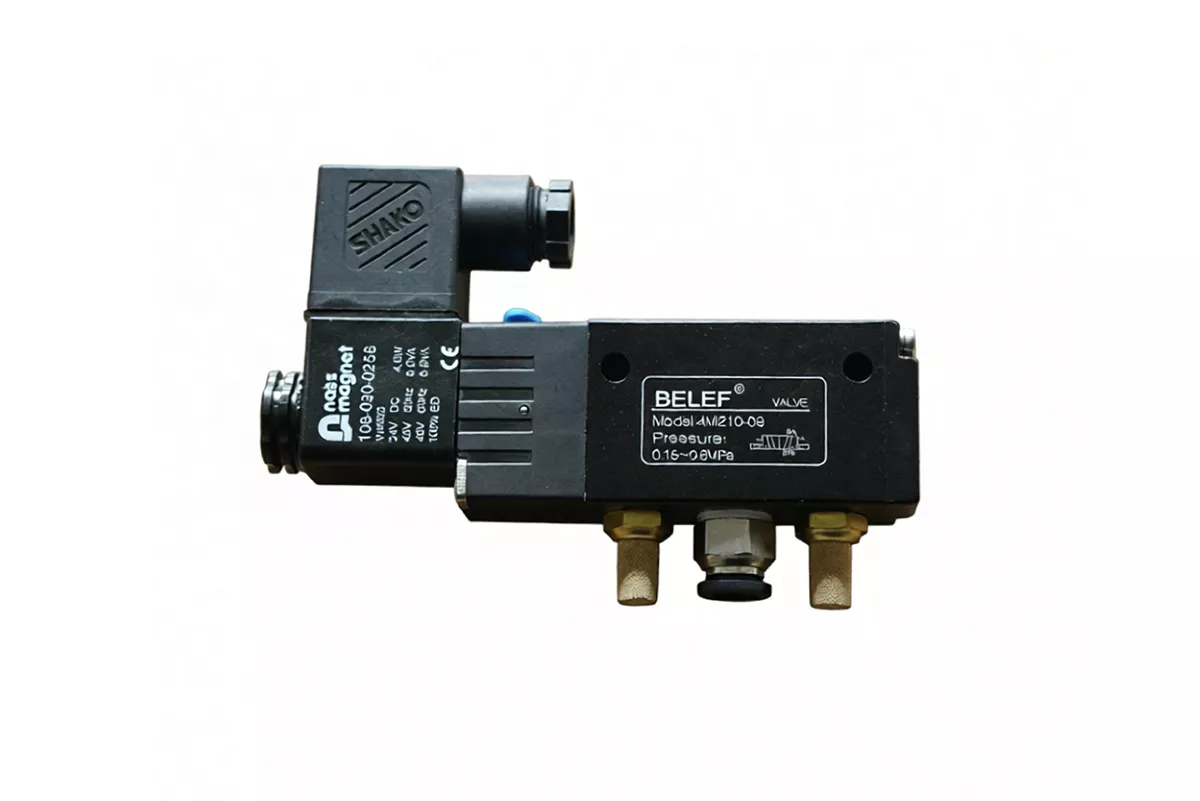
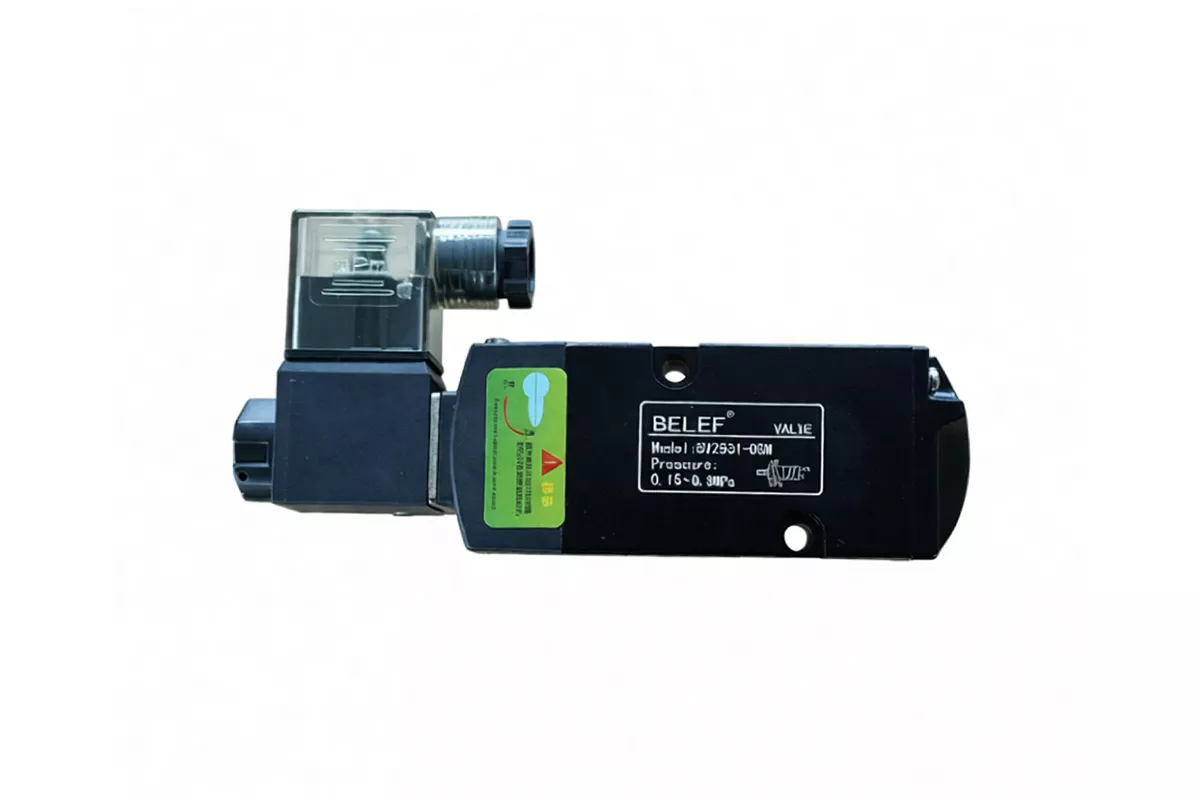
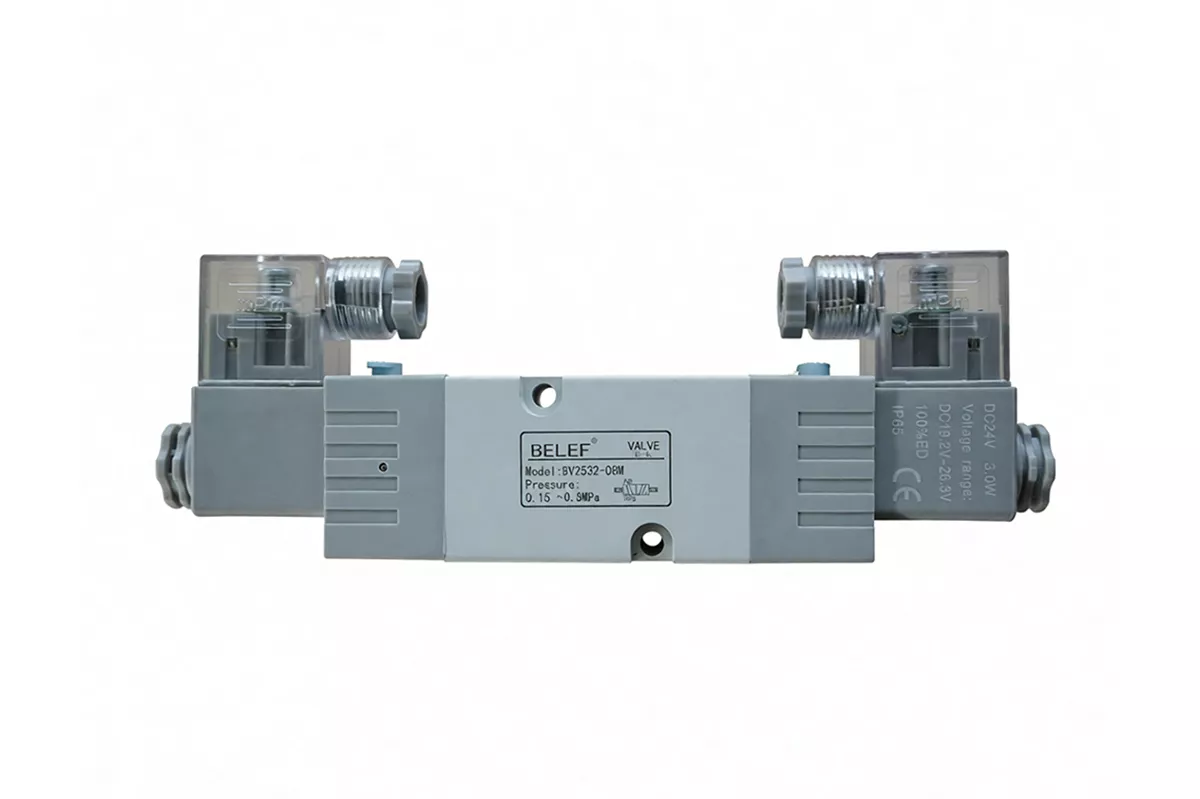
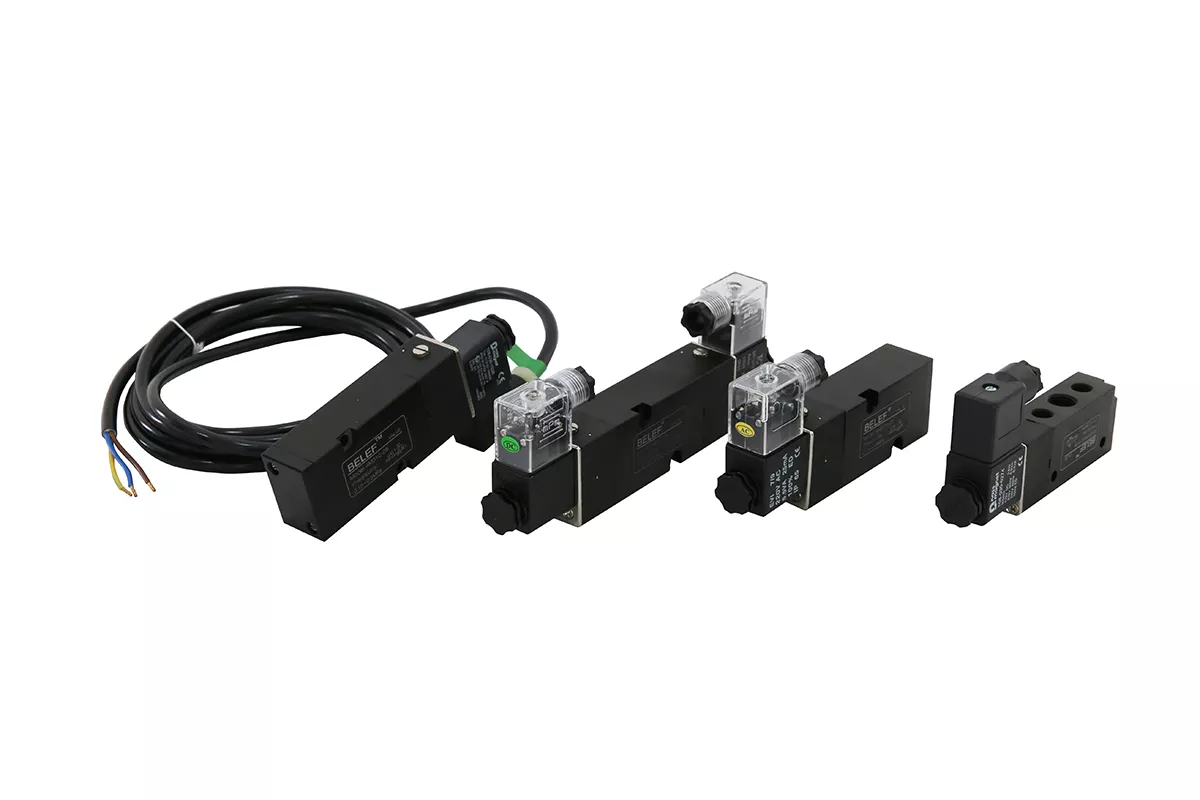
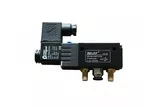
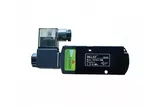
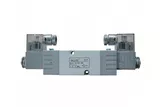
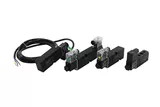
Solenoid Valve BV-Series M-Namur
Precise & Reliable Solenoid Valves for Fluid Control
Our BV-Series solenoid valves offer fast, reliable on/off or directional control of liquids and gases. This is a pneumatic valve controlled by micro electrical signals, featuring a small size, large flow rate, attractive appearance, reliable performance, and a long service life. It can be installed in an integrated manner. It is an ideal directional control component, suitable for mechatronics. There are various specifications for you to choose .
请输入文本
The solenoid valve generates electromagnetic force when its coil is energized, pushing the spool to switch the air‑flow channel and change the flow direction of compressed air. Upon power‑off, the spool resets by spring force to switch the air circuit again.
Controlled remotely via electrical signals to regulate air inlet and outlet, it drives the pneumatic actuator to rotate forward and reverse, realizing automatic on‑off control for 90‑degree quarter‑turn valves.
Main components: valve body, solenoid coil, spool assembly, return spring, sealing parts, air port connectors, terminal box.
Valve body material: aluminum alloy as standard; stainless steel is available for anti‑corrosion requirements.
Seal material options: NBR, EPDM, FKM viton, suitable for a wide range of ambient temperatures.
Classification by Functional Port Configuration
1)5/2-Way Solenoid Valve (Most Commonly Used) – Designed for double-acting pneumatic actuators. Two output ports connect to both air inlets of the actuator, with continuous air supply maintaining the valve position. No automatic reset upon power failure; suitable for conventional on-off control applications.
2)3/2-Way Solenoid Valve – Primarily used for single-acting spring-return actuators, small cylinders, and exhaust control circuits.
3)5/3-Way Solenoid Valve – Features a center position function, with options for center closed or center exhaust. Allows intermediate stopping of the actuator, making it ideal for modulating control and special safety-critical process conditions.
Classification by Explosion-Proof Rating
1)Standard General-Purpose Type – Suitable for indoor applications such as water treatment, environmental protection, HVAC, and non-flammable/non-explosive media environments.
2)Explosion-Proof Solenoid Valve (Exd IIC T6) – Designed for use in chemical, oil & gas, hazardous chemical projects, and classified hazardous areas.
Drive Configuration
Direct-Acting: Small port size, fast response, suitable for low-flow air supply control.
Pilot-Operated: High flow capacity, low starting pressure, compatible with medium to large-torque pneumatic actuators – the industry-preferred configuration for mainstream applications.
1. Internally piloted structure.
2. Structure in sliding column mode:good tightness and sensitive reaction.
3. Double control solenoid valves have memory function.
4. Internal hole adopts special processing technology which has little attrition friction,low start pressure and long service life.
5. No need to add oil for lubrication.
6. Install in the side plate with the surface upward,which can be used by directly connecting with the actuators.
7. Affiliated manual devices are equipped to facilitate installation and debugging.
8. Several standard voltage grades are optional.

Model | BV2521-06M BV2522-06 | BV2521-08M BV2522-08M | BV2531-08M BV2532-08M | BV2531-10M BV2532-10M |
Fluid | Air(to be filtered by 40um filter element) | |||
Acting | Internal pilot | |||
Port size [Note1] | In=Out =1/8" | In=1/4" Out=1/8" | In=Out =1/4" | In=3/8" Out=1/4" |
Orifice size(Cv)[Note4] | 4M210-08、4M220-08: 17.0mm²(Cv=1.0) | 4M310-10、4M320-10: 28.0mm²(Cv=1.65) | ||
Valve type | 5port 2 position | |||
Operating pressure | 0.15~0.8MPa(21~114psi) | |||
Proof pressure | 1.2MPa(175psi) | |||
Temperature | -20~70°C | |||
Material of body | Aluminum alloy | |||
Lubrication [Note2] | Not required | |||
Max.frequency[Note3] | 5 cycle/sec | 4 cycle/sec | ||
Weight(g) | 220/320 | 310/400 | ||
[Note1] PT thread.G thread and NPT thread are available.
[Note2] Once lubricated air is used.continue with same medium to optimise valve life span. Lubricants like ISO VG32 or equivalent are recommended.
[Note3] The maximum actuation frequency is in the no-load state.
[Note4] Equivalent orifice S and Cv are all calculated from the flow rate data.
Name*
*Email
Phone
Message
*
请输入文本
Send Inquiry
For inquiries about our products or pricelist please leave to us and we will be in touch with in 24 hours.
Related Products

Belef Pneumatic Actuator Co., Ltd. is a Iarge-scale enterprise integrating manufacturing, development, production, assembly, sales and service.
Contact Us
Tel:0510-83383001
Email:info@belef.cn
Address:Building B6, No. 8-1 Xinshi Road, Qianzhou Supporting Area, Huishan Economic Development Zone, Wuxi, Jiangsu, China